

NYC Marathon: Race-Day Strategy and What to Expect Along the Course

Updated: 2 days ago

Running the New York City marathon is a an amazing experience and quite an accomplishment!
For some people, it starts with a simple goal: getting in better shape. For others, it is about proving something to themselves, raising money for a cause, overcoming a personal challenge or accomplishing something they never thought possible.
Whatever your reason, running 26.2 miles is a serious undertaking that requires months of preparation, consistency and the ability to keep going when things become uncomfortable.
And if your first marathon is the TCS New York City Marathon, you have chosen one of the most memorable places in the world to do it. You will start on Staten Island, cross the Verrazzano-Narrows Bridge, run through Brooklyn and Queens, cross into Manhattan, travel through the Bronx, and eventually make your way into Central Park. Along the way, you will experience different neighborhoods, incredible crowds, bridges, changing terrain and an atmosphere that makes this race special. The official course covers all five boroughs over 26.2 miles.
But let's be realistic. The excitement of race day will not carry you through all 26.2 miles by itself. At some point, your legs will get tired, your pace may slow down, and you may question your training, your strategy or even your decision to sign up in the first place. That is normal. The goal is not to eliminate every difficult moment; it is to prepare yourself well enough to handle those moments when they arrive.
Here are some tips on preparing for race day and running the NYC course.
Prepare for Race Morning, Not Just the Race
The NYC Marathon begins long before you cross the starting line. You have to get to Staten Island, navigate the start area, manage the waiting period and be ready for the conditions. Review the official transportation instructions, start village information and your assigned start time before race weekend. NYRR provides specific guidance for getting to the start and entering the start area.
Lay out your running clothes, shoes, fuel and other essentials the night before, and wear gear you have already tested. Check the weather and prepare for the possibility of spending time outdoors before the race begins. Planning for these details in advance can help you avoid unnecessary stress on race morning.
Do not let the excitement of race day persuade you to change your breakfast, footwear or pacing plan. The fewer unnecessary decisions you have to make that morning, the more energy you can devote to the race itself.
Have a Plan, but Be Flexible
A marathon plan should guide you, not trap you. You may wake up feeling great and then discover that the weather is warmer than expected. You may feel a little tight after the Queensboro Bridge, or you may need to slow down at an aid station or take an unscheduled walk break. That does not mean your race is ruined; it means you are responding to the conditions in front of you.
Set a realistic goal, but be willing to adjust it if your body or the conditions demand it. For a first marathon, you might prioritize finishing safely, maintaining a steady effort and learning how your body responds to the distance. If your training supports a time goal, you can build a pacing strategy around it, but avoid turning that goal into a reason to ignore warning signs.
A successful first marathon is not defined only by the clock. It is also defined by how well you prepared, how intelligently you managed the race and what you learned along the way.
Understanding the Course
TThe NYC Marathon is more than a long road run. Its bridges, inclines, neighborhood transitions and late-race terrain create different physical demands throughout the course. The Verrazzano-Narrows Bridge comes early, the Queensboro Bridge arrives around miles 15–16, and Fifth Avenue presents another incline late in the race, when fatigue has already accumulated.
You do not need to turn every training run into a hill workout, but you should prepare for those changes in terrain. If you live in an area with hills, include some in your training. If you run primarily on flat roads, consider controlled incline sessions on a treadmill or appropriate hill workouts outdoors. Start conservatively, especially if you are not accustomed to hills. The purpose is to develop familiarity and strength, not to exhaust yourself.
The Verrazzano-Narrows Bridge
Your race begins on Staten Island, and the Verrazzano-Narrows Bridge provides one of the most memorable views of the course. It is also a place where excitement can get the better of you. The atmosphere, the other runners and the view of New York Harbor can make you want to run faster than planned.

Resist that temptation. Start at a controlled effort, keep your stride comfortable, relax your shoulders and avoid chasing other runners. The climb is early, and you have a long way to go. The objective is to reach Brooklyn feeling controlled, not as if you have already started racing the final miles.
Brooklyn: Settle Into Your Rhythm
After the bridge, the course moves through Brooklyn, including Fourth Avenue and neighborhoods such as Bay Ridge, Sunset Park and Park Slope. This part of the race can feel exciting because the crowds are out, the streets are lively and you may feel as if the hardest part is behind you. But you are still early in the marathon.

Use these miles to settle into a rhythm. Check your effort, relax your upper body and avoid unnecessary surges when the crowd gets louder. You do not need to respond to every burst of excitement by speeding up. Your job is to conserve energy while keeping the race moving forward.
Williamsburg and Greenpoint: Enjoy the Crowd Without Losing Focus
As you continue through Brooklyn, the neighborhoods and crowd atmosphere change. Williamsburg and Greenpoint are among the memorable areas along the course, with spectators lining the streets and cheering runners toward Queens. Enjoy it. The crowd support is one of the great parts of the New York race.

But keep following your plan. If you are running at a comfortable effort, there is no reason to push harder simply because you feel energized. You want to leave Brooklyn with enough energy for what comes next.
Queens and the Pulaski Bridge: Halfway Is Not the Finish
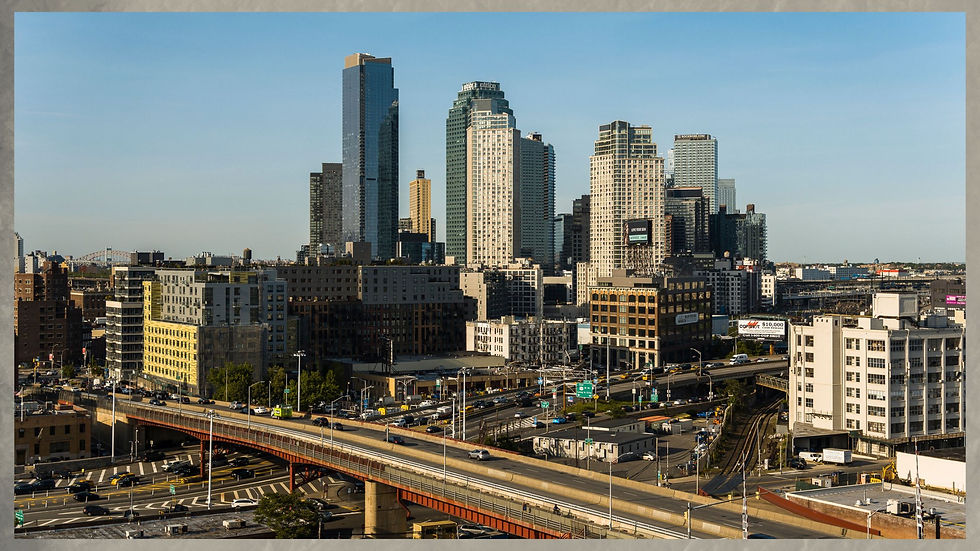
The Pulaski Bridge takes runners from Brooklyn into Queens near the halfway point of the marathon. Reaching 13.1 miles is a psychological milestone, especially for a first-time marathoner. You have completed a half marathon, and you can feel proud of that, but you also have another half to go.
Do not interpret the halfway point as permission to accelerate. Instead, use it to check in with yourself:
Are you still running comfortably?
Have you been taking your planned fluids and fuel?
Are you beginning to feel unusual tightness or pain?
Is your breathing still under control?
Make small adjustments now rather than waiting until you are struggling. These check-ins can help you respond to fatigue and discomfort before they interfere with the rest of your race.
Queensboro Bridge: Respect the Quiet
The Queensboro Bridge, which takes runners from Queens into Manhattan, is one of the defining moments of the race. It is also a section where runners need to be patient. The bridge arrives around miles 15–16, when fatigue is beginning to accumulate. Unlike the loud streets before it, portions of the bridge can feel relatively quiet. You may become more aware of your breathing, your legs and how far you still have to go.

Do not treat the bridge as a challenge to conquer as quickly as possible. Keep your effort controlled, shorten your stride if necessary, and avoid forcing your pace uphill. When you descend toward First Avenue, do not immediately sprint because the crowd noise returns. You still have many miles ahead.
First Avenue: Let the Crowd Lift You, Not Your Pace
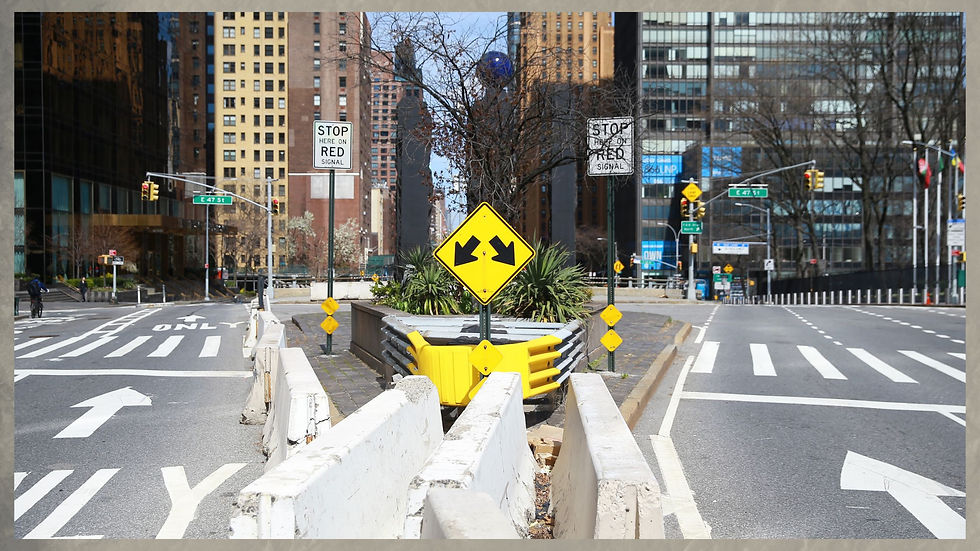
For many runners, the transition onto First Avenue is one of the most memorable experiences of the NYC Marathon. The streets are lined with spectators, and the atmosphere can feel electric as the official course passes through this section of Manhattan before heading toward the Bronx.
Enjoy the moment, but remember what your body has already accomplished. By now, you have covered a substantial distance, and the muscles around your hips, thighs and calves have been working for hours. Your energy reserves are also being challenged, which is why an early pacing mistake can begin to show itself at this stage of the race.
Stay relaxed, maintain an effort you can sustain, and continue following your fueling plan. Do not try to make up time simply because the crowd gives you a temporary burst of energy. Let the atmosphere motivate you without allowing it to dictate your pace.
The Bronx: Stay Present
The course briefly enters the Bronx, crossing the Willis Avenue Bridge and later the Madison Avenue Bridge on the return toward Manhattan. By this point, you are deep into the race, and thinking about the entire remaining distance can feel overwhelming.

Instead, break the race into smaller sections. Focus on reaching the next mile marker, navigating the next turn, or getting to the next aid station. You do not have to solve the whole marathon at once. You simply need to manage the section immediately in front of you, one step at a time.
Fifth Avenue and Central Park: The Final Test
As you return to Manhattan, Fifth Avenue brings another incline around miles 22–23. From there, the course heads toward Central Park, where runners face the final stretch toward the finish. This is where your preparation really matters.
The incline is not necessarily the steepest hill you will encounter, but its timing makes it challenging. Your legs have already absorbed the demands of the bridges and more than 20 miles of running, so keep your steps controlled and focus on effort rather than forcing your early-race pace.

Once you enter Central Park, do not assume the finish is immediately around the corner. There are still turns and undulations to negotiate, so keep moving, stay patient and save your final push for when you know you can sustain it. When you finally reach the finish, take a moment to appreciate what you have accomplished: you have run the New York City Marathon.
Fueling is one of the most important things to practice before your first marathon. Your body relies heavily on carbohydrates during prolonged endurance exercise, and if you fail to take in enough energy, you may experience fatigue, difficulty maintaining your pace and a much harder final stretch. Do not wait until you feel exhausted to start thinking about fuel.
Final Thoughts: Enjoy the Experience You Worked So Hard For
Your first NYC Marathon, if it is your first, will challenge you both physically and mentally. You will experience the excitement of the Verrazzano-Narrows Bridge, the energy of Brooklyn, the transition through Queens, the quiet of the Queensboro Bridge, the roar of First Avenue, and the demanding final miles through Manhattan and Central Park. Each section will present a different challenge, testing your endurance, pacing, and ability to manage your energy throughout the race.
The marathon will almost certainly include moments when you feel tired or uncomfortable. Those moments do not mean you are failing; they are part of a long endurance event and exactly why you trained. When you finally cross the finish line in Central Park, take pride in more than the 26.2 miles you have completed. Take pride in the months of preparation, the early mornings, the long runs, the discipline, and the decisions that brought you there.
I am a native New Yorker, I have volunteered a dozen times in medical tents throghout the course and prepared hundreds of runners who have crossed the finish line The NYC Marathon truly represents New York CIty at its very best. Enjoy it and embrace it! You got this!
Frequently Asked Questions
Is the NYC Marathon course hilly?
The course includes several bridges and inclines. The Verrazzano-Narrows Bridge comes early, while the Queensboro Bridge and Fifth Avenue incline arrive later, when fatigue may make them feel more demanding.
Should I walk during my first marathon?
Walking can be a planned and effective race strategy. Practice your run-walk intervals during training rather than waiting until you are exhausted. The goal is to manage your effort and complete the distance safely.
What is the most important advice for a first-time marathoner?
Follow a progressive training plan, practice fueling, respect recovery and start the race conservatively. Do not let early excitement push you into a pace you cannot sustain.
n



Comments